
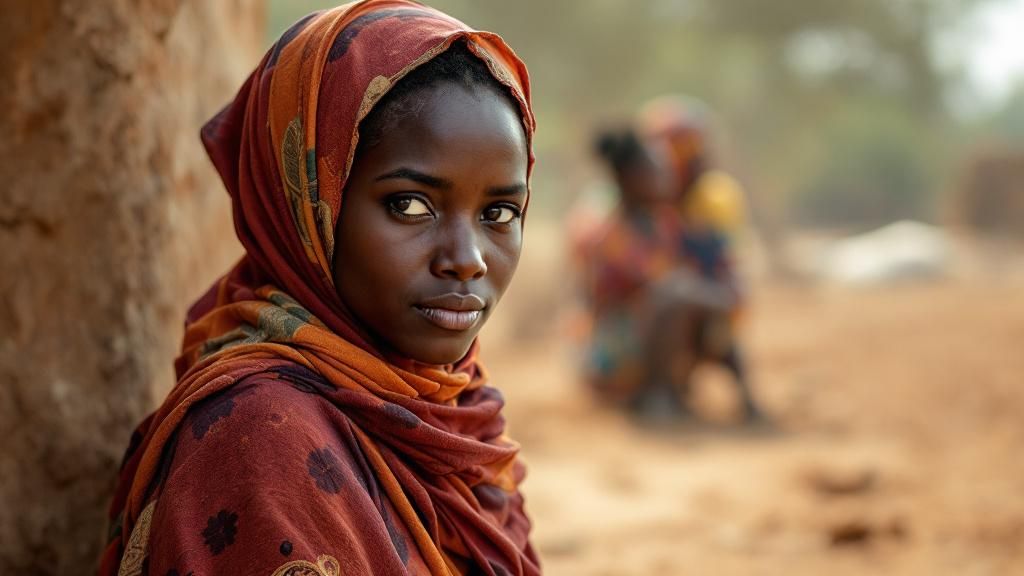
Sub-Saharan Africa faces an extraordinary human crisis, with millions of vulnerable populations caught within spiralling patterns of deprivation, sickness, and relocation. Propelled by warfare, environmental breakdown, and financial ruin, this catastrophe jeopardises entire communities and stretches beyond capacity already fragile medical and nutritional infrastructure. This article analyses the interconnected aspects of this emergency, assessing its fundamental drivers, devastating human toll, and the worldwide assistance programmes underway to address this urgent crisis impacting the most vulnerable people across the continent.
The Extent of the Situation
The humanitarian crisis affecting Sub-Saharan Africa has attained record levels, with an estimated 282 million people currently facing severe hunger. This staggering figure represents a substantial rise from prior years, reflecting the compounding effects of sustained warfare, severe dry spells, and economic decline. Entire regions have become inaccessible to aid organisations, leaving at-risk communities—particularly children and elderly people, and those with disabilities—lacking essential aid, clean water, and healthcare support.
The crisis emerges across multiple interconnected dimensions, producing a perfect storm of suffering. Malnutrition rates have risen to critical levels, with child mortality rising steeply in conflict-affected zones. Simultaneously, disease epidemics including cholera and measles propagate quickly through overcrowded camps where sanitation remains critically inadequate. Healthcare infrastructure, already under immense pressure, remains in decline as doctors and nurses leave war-torn regions, abandoning populations completely devoid of basic medical care and emergency care.
Drivers of the Humanitarian Crisis
The humanitarian emergency occurring in Sub-Saharan Africa results from a complicated mix of interdependent elements that have accumulated over decades. Armed violence, especially in regions such as South Sudan, Somalia, and the Democratic Republic of Congo, has uprooted millions of people and devastated vital facilities. Simultaneously, climate change has intensified prolonged dry periods and erratic weather, severely impacting farm output and herding communities. Poor economic governance, combined with reduced commodity values and reduced foreign investment, has increasingly strained government’s capability to deliver essential services and welfare support to populations in need.
Compounding these structural challenges are deep-rooted gaps in healthcare infrastructure, education systems, and governance frameworks that render communities unprepared to respond to emergencies. Rates of malnutrition have risen sharply, particularly in child populations, whilst disease outbreaks propagate swiftly through densely populated displacement camps and urban settlements. The combination of these emergencies has created a perfect storm: communities facing concurrent dangers from violence, hunger, illness, and environmental degradation lack adequate resources and assistance systems necessary for survival. Without urgent intervention, these drivers will continue to perpetuate cycles of suffering and vulnerability across the region.
Effects on At-Risk Groups
The humanitarian emergency in Sub-Saharan Africa disproportionately impacts the most at-risk populations, including children, women, and displaced persons. These communities experience interconnected difficulties as existing inequalities are exacerbated by conflict, forced displacement, and limited resources. Inadequate access to clean water, sanitation, healthcare, and education triggers widespread health crises. Marginalised communities encounter difficulties accessing humanitarian aid due to geographic remoteness, security threats, and institutional obstacles, leaving millions in desperate circumstances necessitating prompt international support and engagement.
Children and Malnutrition
Child undernourishment has become critically severe across Sub-Saharan Africa, with millions of children suffering from acute and chronic inadequate nutrition. Sustained conflict impede food systems networks, whilst environmental water scarcity devastate crop production. Restricted medical services hinders prompt action in nutritional deficiencies, leading to avoidable fatalities and growth impairments. Malnutrition undermines children’s immune systems, raising vulnerability to transmissible infections encompassing malaria, cholera, and respiratory infections. Without swift international assistance, entire populations of children faces impaired growth and mental development.
The mental toll of malnutrition surpasses physical health, impacting children’s psychological welfare and academic performance. Profoundly malnourished children display delayed development, reduced cognitive function, and impaired learning capacity. Learning institutions stay closed in areas of conflict, withholding children critical feeding initiatives and learning access. Families find it difficult to purchase extra food supplies, creating impossible choices between acquiring food and accessing medical care. Aid agencies document concerning rises in severe acute malnutrition cases, especially among children below five years of age.
- Acute malnutrition impacts approximately forty million children throughout the area.
- Stunting rates surpass forty percent in several Sub-Saharan countries.
- Malaria and diarrhoea worsen nutritional deficiencies significantly.
- School nutrition programmes provide essential nutritional assistance for at-risk children.
- Emergency food assistance demands continuous international financial support and capacity.
Global Response and Future Outlook
The global community has deployed substantial resources to tackle the humanitarian crisis in Sub-Saharan Africa, with the United Nations, World Health Organisation, and many non-governmental organisations deploying emergency aid across crisis-affected areas. However, present funding amounts remain substantially below what humanitarian agencies deem necessary to address the magnitude of need. Contributing countries and multilateral bodies must markedly boost funding pledges whilst at the same time addressing the root causes of instability. Cooperation among international organisations and local governments remains vital for ensuring aid reaches the most disadvantaged communities effectively and efficiently.
Looking ahead, the direction of this crisis hinges on ongoing global cooperation and sustained funding in development that is sustainable. Establishing robust health infrastructure, strengthening food security infrastructure, and supporting peace initiatives are essential for preventing further deterioration. The international community must balance urgent humanitarian aid with comprehensive strategies addressing resolving conflict, climate adaptation, and economic growth. Without decisive action and substantial resource allocation, Sub-Saharan Africa faces the risk of deepening humanitarian catastrophe, demanding ever-more expensive responses whilst millions of vulnerable people suffer preventable suffering.
